 |
Home | Game | Rules | Theme | Strategy | FAQ |  |












































|
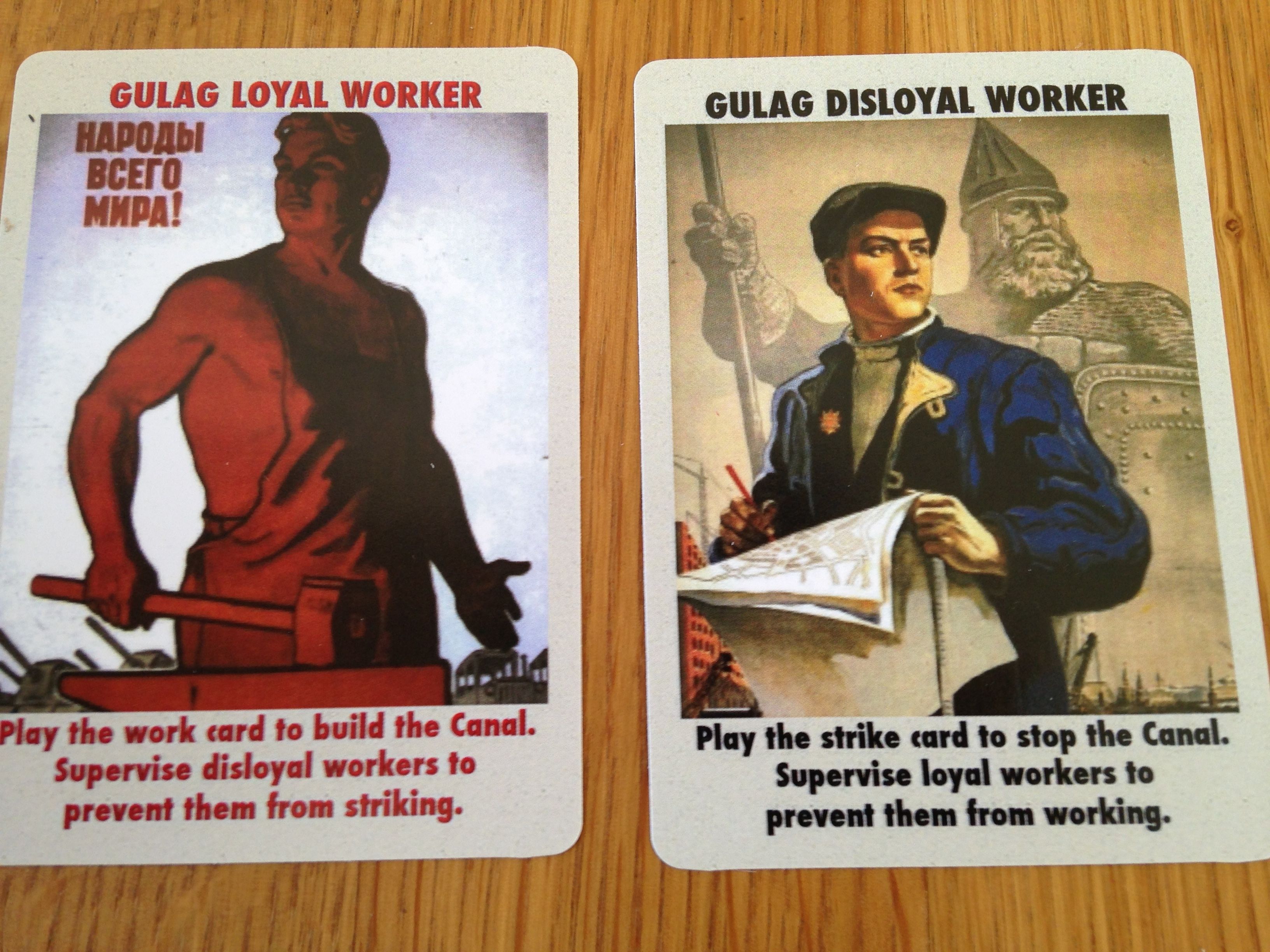
Game designLike its predecessor Comrade, the inspiration to Gulag came mainly from The Resistance: Avalon. I like the uncertainty that is the core of the decuction games and have already used similar mechanisms in Christina Regina, where the players balance between moving a Queen towards their colors and keeping their colors hidden. However, the predefined roles may also limit the tactical options and the player interaction as the roles more or less force the players to play in a certain way. To avoid this, I wanted to add another dimension for a more dynamic gameplay but what? I built on the idea of opposite objectives used in Comrade but tried to keeping the identities fixed this time. Instead, I wanted to create a paranoid gameplay where you never knows who knows who and who knows what and I accomplished that through the semi-hidden information of players knowing one player and being known by another player. Together with the role of the supervisor, I got a very good thematic implementation in the game: you know that you're watched but you don't know whether you and the watchman are on the same side. Two challenges had to be overcome. First, what happens if players exchange information to acquire perfect knowledge? A commissar whose known player is of the same loyalty will not only pick him for the task but also, since they can trust each other, get to know what the other player know and so on. Second, once a group of players on a task succeeds (or fails), they will always be selected or excluded depending on the current commissar's loyalty. The first challenge was managed by the rule against revealing cards (similar to Comrade) and the second by forcing the selection of new workers for tasks each turn. Once those challenges were overcome, I had another game where the 18 card Microgame Contest limit of 18 cards would be enough for up to 10 players! The rest of the design was simply a matter of polishing the rules and the theme. The rules were created to give the desired gameplay in every little decision (work and strike tasks corresponding to the opposite objectives and supervision tasks for the possibility/threat to force a worker to change task). The Gulag theme was used to create the paranoid "trust nobody" atmosphere and the White Sea Canal theme to illustrate the score progress (or lack of progress). The result was, I hope, a game that pleases both the brain and the eye. Game components
|
Annotated gamesIf you like those game mechanisms, I can also recommend: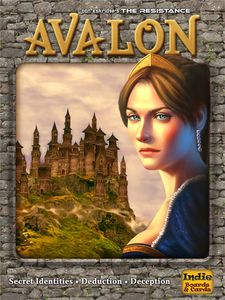
|